For veterans, first responders, and civilians living with post-traumatic stress. A trained dog can break a spiral before it takes hold, make space in a crowd without a word, and change what a night looks like. We train these dogs, we coach handlers to train their own, and we assess both against a published standard.
How the dog helps
Not companionship — trained, cued behaviours that do specific work.

Nightmares, dissociation, and escalating panic all have early signs. A dog trained to respond to them intervenes minutes before you would have noticed yourself — waking, nudging, or applying pressure until you are back.
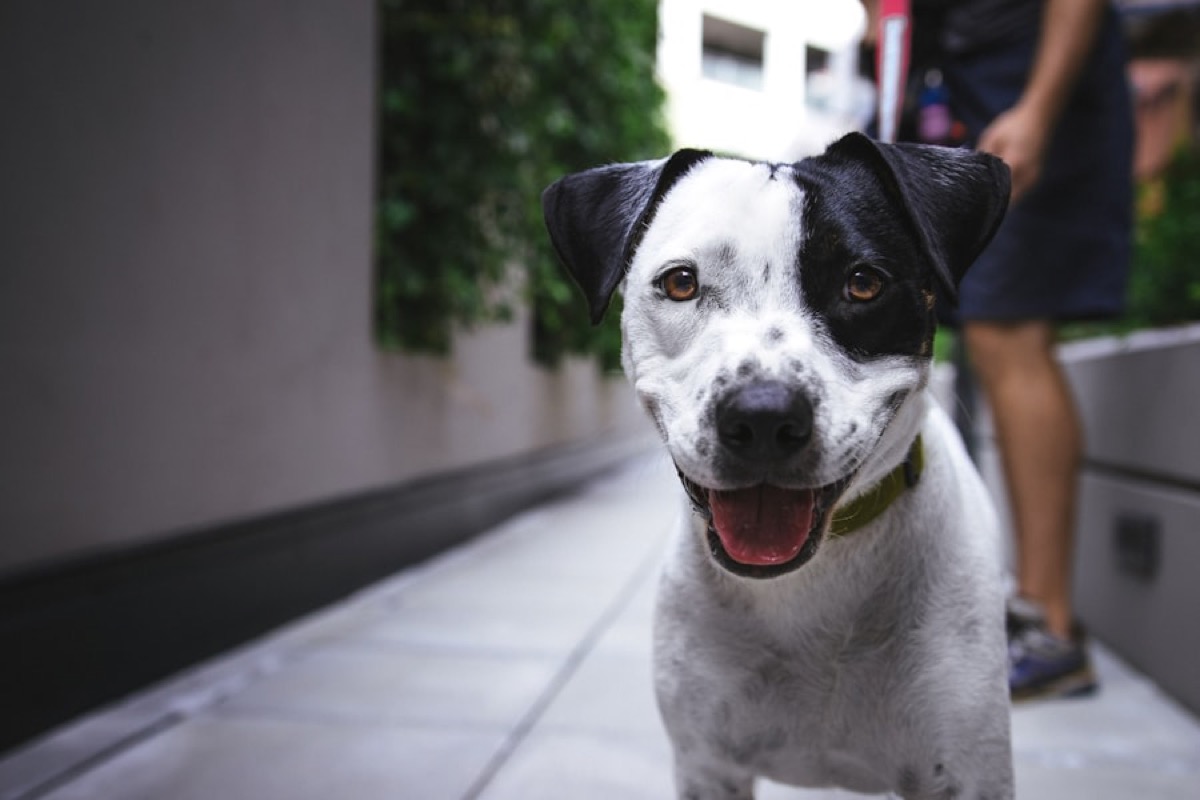
Standing behind you in a queue, or facing outward in front of you, the dog creates a physical buffer. No explanation required, no conversation with a stranger, no hypervigilance about who is approaching from behind.

Grocery stores, waiting rooms, flights, family events. The dog gives you a task, a focal point, and a reason to stay — which is often the difference between leaving after two minutes and getting through it.
Trained tasks
A task is a specific, cued or triggered behaviour that mitigates a documented need. Comfort from a dog’s presence is real and valuable — and it is not a task. Every credential we issue names the tasks, so anyone can see exactly what the dog was trained to do.
Seventeen tasks are catalogued in full, with training criteria and restrictions, in our published standard.
Eligibility
Some coverage exists through Veterans Affairs Canada and through employer and association benefit plans, and it changes regularly. We will tell you what we know and point you at the current programme rather than guess.
We also work with your existing clinician rather than around them. The dog is one tool among several, and it works best when the person managing your care knows exactly what it has been trained to do.
Book a free consultThirty minutes, no charge. We will tell you honestly whether a dog is the right tool, which pathway fits, and what it will realistically take.
Book a free consult